Restoring Nature, Reviving Hope

At Hundred Acre Hollows, restoring native habitat is central to our mission. One of our top priorities is removing invasive plant species that threaten biodiversity and disrupt the delicate balance of Florida’s ecosystems. Two major threats—Brazilian Pepper tree and Cogon grass—have taken hold across the state, including on our preserve. By pushing back these invasives, we’re creating healthier, more resilient landscapes where native species, including the Gopher Tortoise, can thrive.
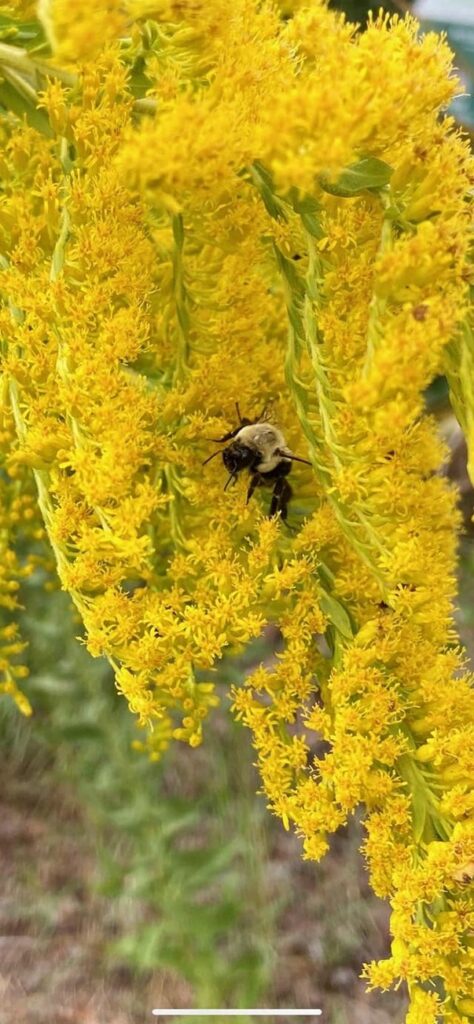
Thanks to the tireless work of our volunteers, native species such as American Beautyberry, Goldenrod, Horsemint, Slash pines, and Hog Plums—beloved by gopher tortoises—are coming back.
Our efforts are part of a global movement, aligning with the United Nations Decade on Ecosystem Restoration (2021–2030), which calls on all of us to help revive damaged ecosystems for people and nature.
Clearing an entrance path to the preserve
Hundred Acre Hollows sits on land once used as a water treatment facility. In 2016, when Brevard County entrusted us with its care, the site was nearly inaccessible—dense walls of invasive Brazilian pepper trees and aggressive vines had formed a barrier around all the basins, cutting off access and choking out native life.

First path

Widening of the path

Brazilian Pepper tree and vines
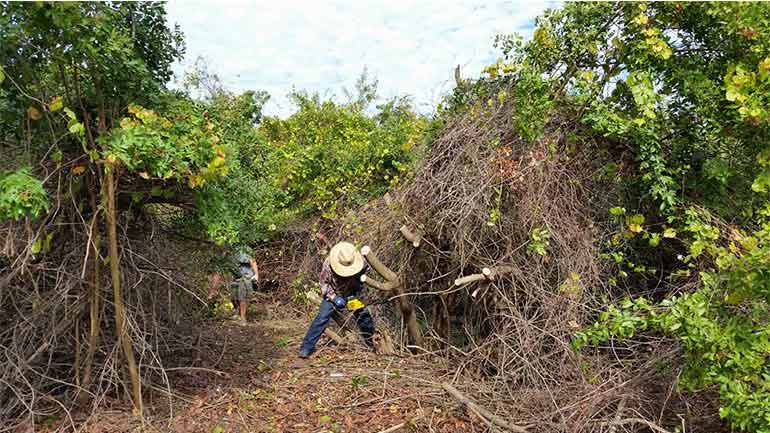
Volunteers diligently pushing back the Pepper tree and vines
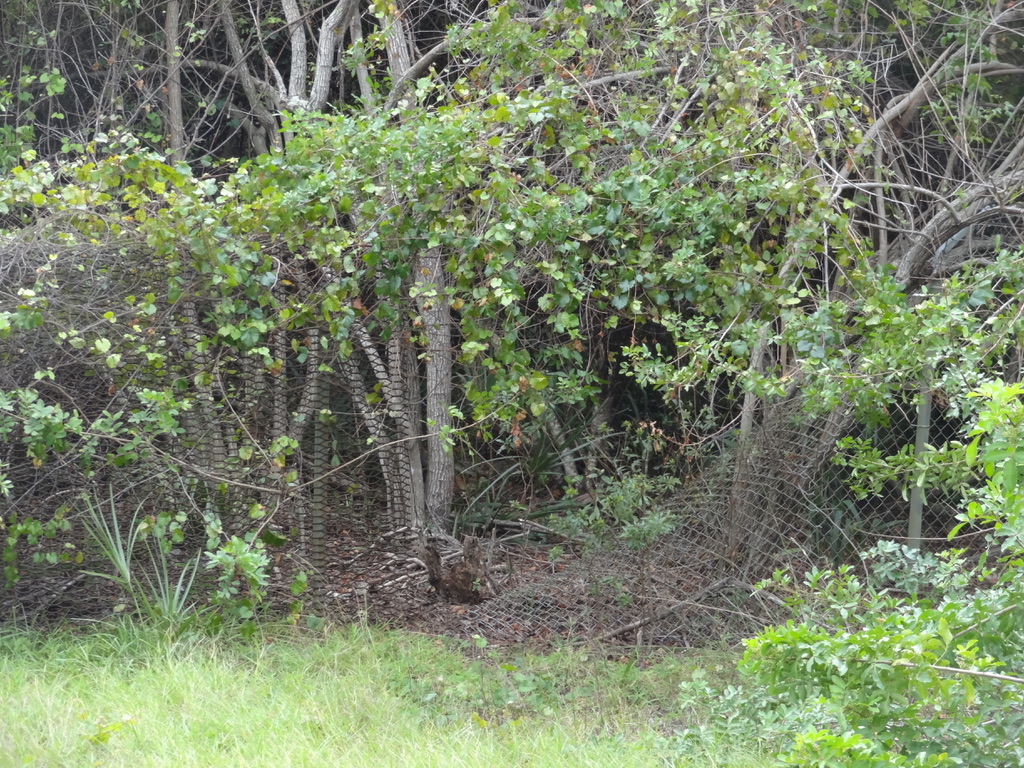
From inside the preserve, not looking great

Installing a gate and a kiosk (Boys Scouts)

Girls Scouts’ entrance sign

Entrance Native garden created on land cleared of invasives
Unwelcome Guests in the Ecosystem
The Brazilian Pepper tree (Schinus terebinthifolia)

The Brazilian pepper tree is one of the most aggressive invasive plants in Florida. Introduced as an ornamental shrub, it quickly spread across natural areas, forming dense, impenetrable thickets that outcompete native vegetation. Its rapid growth blocks sunlight and alters soil chemistry (allelopathy), making it nearly impossible for native plants to thrive. For species like the Gopher Tortoise, which rely on a diverse and open understory for food and burrowing, Brazilian Pepper dramatically reduces habitat quality. Clearing it is a vital step in restoring the tortoise’s natural environment and supporting a healthy ecosystem.
Cogon Grass (Imperata cylindrica)

Cogon grass is considered one of the world’s worst invasive grasses and poses a serious threat to Florida’s ecosystems. It spreads rapidly through underground rhizomes and seeds, forming dense mats that outcompete native ground cover and increase wildfire risk. For Gopher Tortoises, this means the loss of nutritious forage and the replacement of open, sandy areas with thick, uninhabitable ground cover. Cogon grass also makes it harder for tortoises to dig their burrows, which are essential for their survival and for the many other species that depend on them. Eliminating Cogon grass is essential to protecting Gopher Tortoise habitat.
So far, about 10% of the preserve has been actively restored. With five full days of heavy grinder work, we pushed back dense thickets of Brazilian pepper that were encroaching on the trails.
But clearing these invasives is just the beginning—every step we take, like creating two native plant gardens, is part of a larger journey: building a healthier, more resilient ecosystem and creating a place where both nature and people can flourish.